Resin Pour Calculations: Six Worked Examples
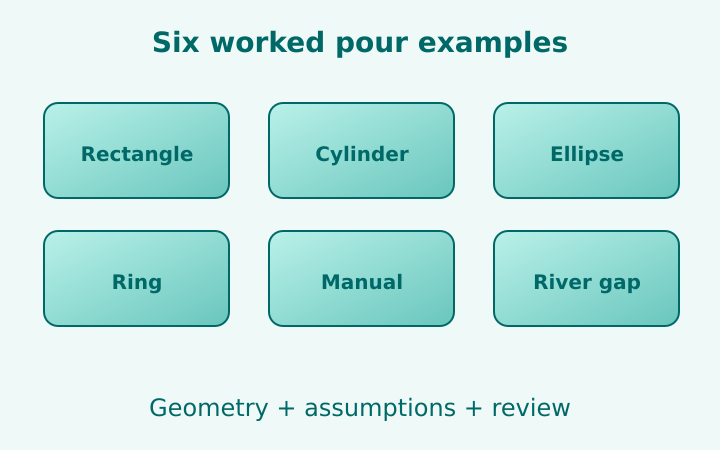
Check rectangular, circular, elliptical, ring, manual-capacity and river-table estimates with fictional examples.
Read the noteUse the resin calculator to measure a mold, plan a project quantity and keep the mixing basis visible. Geometry first. Product instructions beside the plan.

Five shapes. Two ratio bases. Visible assumptions.
Quantity estimate only. The product’s technical and safety instructions determine the process.
Try the fictional 300 mL cavity, then enter your measurements and the actual product ratio.
Rectangle, cylinder, ellipse, ring or manual capacity. Length units convert while the same space stays in view.
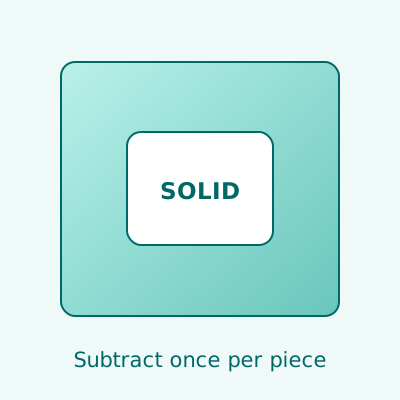
Subtract known displacement once per piece, repeat identical molds and choose your own planning allowance.
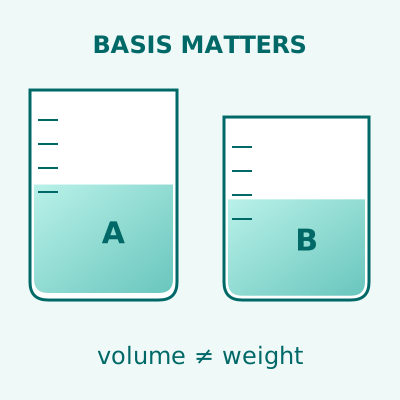
Volume parts and weight parts use distinct formulas. Weight conversion requires both component densities.
Save a plain-text note with geometry, units, ratio basis, allowance and limits. No upload or calculation history.
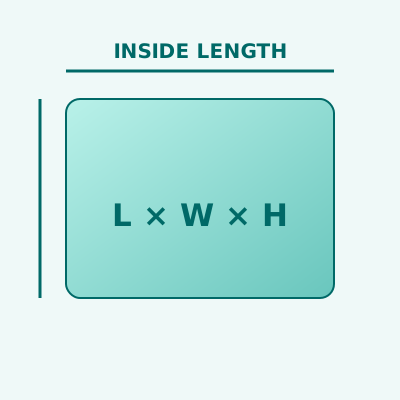
Measure inside the cavity at the intended fill level. Use a simple geometric model or a known usable capacity.
Subtract solids only when needed. Enter identical piece count, allowance and the specified component ratio basis.
Read the intermediate quantities and copy the note. Confirm the real measurement method, batch and layer limits before use.
Repeat identical cavity estimates without losing the per-piece displacement.
Estimate the resin gap, documenting where a straight rectangle approximates natural edges.
Keep the actual product ratio, its measurement basis and any density data with the quantity.
Geometric or entered capacity, net space after displacement, repeated identical pieces, allowance and component quantities at your stated ratio.
Select the basis specified for the actual product. Weight-based conversion from a target volume requires both component densities.
No. This is project quantity planning. Follow the product’s technical and safety instructions for batch size, layer depth and handling.
No. Calculations stay in browser memory. Copy transfers a plain-text note to your device clipboard only when you choose it.

Check rectangular, circular, elliptical, ring, manual-capacity and river-table estimates with fictional examples.
Read the note

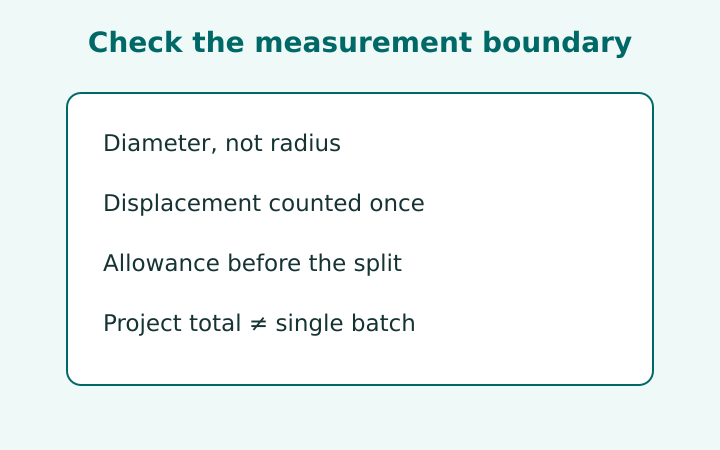
Check diameters, cubic units, displacement, allowances and ratio basis before using a resin quantity estimate.
Read the note
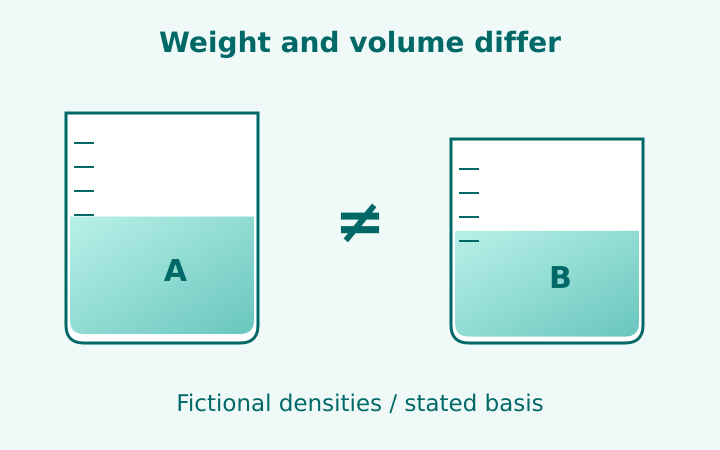
Compare volume and weight ratios, understand component densities and preserve the product’s measurement basis.
Read the noteStart with the space. Keep your product’s instructions beside the quantities.